
Managing Healthcare Financial Data

Creating Payment Processing Efficiency for Healthcare Claims Management

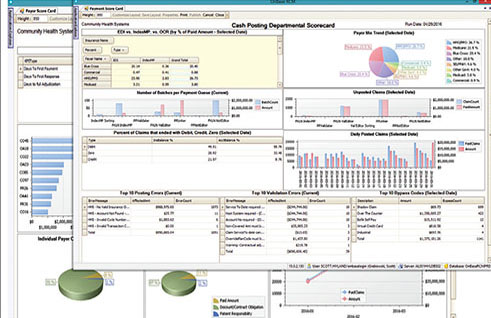
Keys to Managing Healthcare Claims and Payment Information   Depending on your type of business and reporting requirements, efficiently managing high volumes of information from disparate systems can often require manually aggregating the data. With ReMedics specializing in the processing of healthcare insurance payments, and with creating operational efficiencies, our focus is on three specific

Denial avoidance and denial management.

Preventing and Managing Denials

Preventing and Managing Denials More Efficiently   It’s no secret that claim denials can greatly affect the revenue cycle and profit loss. While appeals can be time-consuming and costly, it’s better than receiving no reimbursement at all. However, learning from past claim errors to avoid future denials with permanent revenue cycle improvements is the ideal solution

Power BI Analytics

Analytical Insights for a 360-Degree View of Your Business

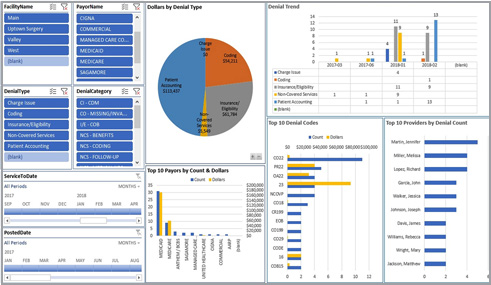
Using Power BI Analytics to Increase Revenue   By utilizing analytical solutions with Microsoft’s Power BI, ReMedics provides our Practice Group clients with data visualization tools that help them to make informed revenue cycle decisions. By identifying and addressing negative trends and inconsistencies in key RCM areas, these reporting tools can help to develop process and

Proactive Follow Up in the Revenue Cycle

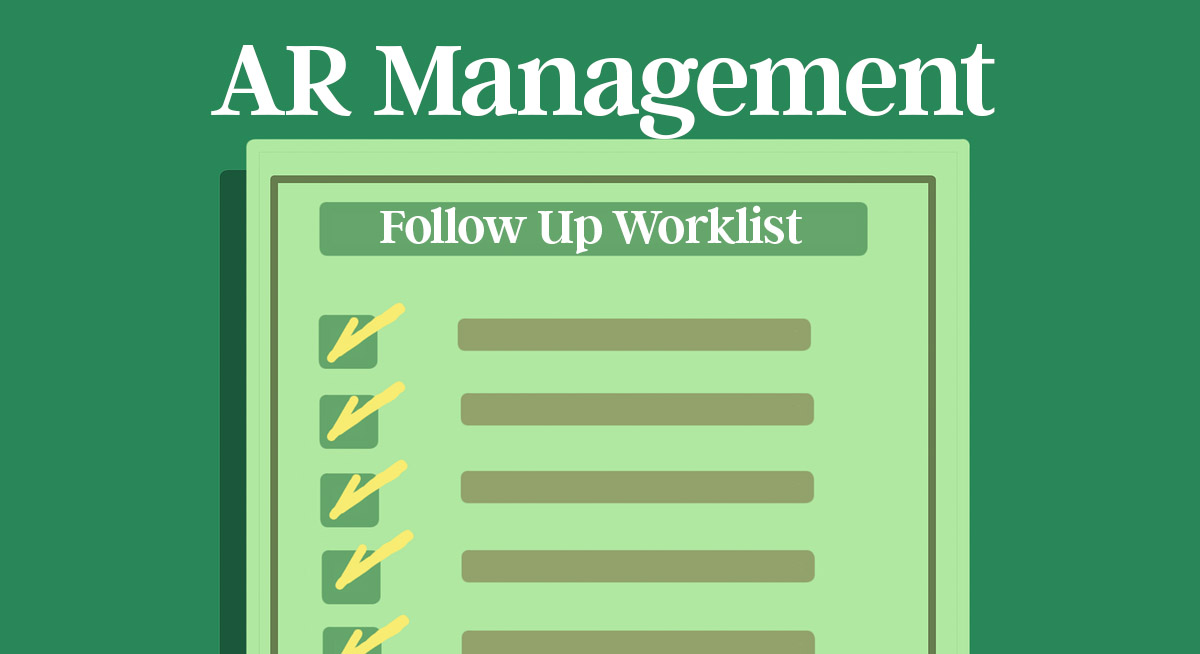
Automating and Improving Collection and Follow-Up Activities   Revenue improvements can take place by making incremental changes in many different RCM areas — from Patient Registration and Remittance Processing, all the way through to Collections. In this article, we focus on automating and improving collection and follow up activities. With patient liabilities continuing to rise, it’s

Denial Management Trends and Analysis

Identifying Hidden Trends in Your Posting Data

Analyzing Trends for Permanent Revenue Cycle Improvements   Having an accurate view of your daily billing and posting data is just one step in effectively managing revenue cycle improvement processes. Looking at historical and current data over a longer period of time, however, can help to identify hidden trends where revenue and/or cash flow could be